
Shell Foundation-backed study finds affordable cooling solutions can increase incomes, boost productivity and reduce losses for vulnerable workers across Africa and South Asia.
London, United Kingdom, Sept. 23, 2026 (GLOBE NEWSWIRE) -- New research from Shell Foundation, an independent charity empowering underserved customers to raise their incomes while lowering emissions, add to the evidence base that affordable cooling solutions can help low-income workers and micro-entrepreneurs protect their livelihoods and increase their incomes as temperatures rise across Africa and Asia.
The report, The Cooling Dividend, presents findings from the first year of the SPACES programme (Scaling Passive and Affordable Cooling for Economic Resilience and Sustainability), an initiative funded by Shell Foundation and supported by the UK government's Foreign, Commonwealth & Development Office (FCDO) through its Global Research and Technology Development (GRTD) programme via the Transforming Energy Access (TEA) Platform. The programme tested innovative cooling solutions with more than 12,000 workers and micro-entrepreneurs across India, Nigeria and Ghana.
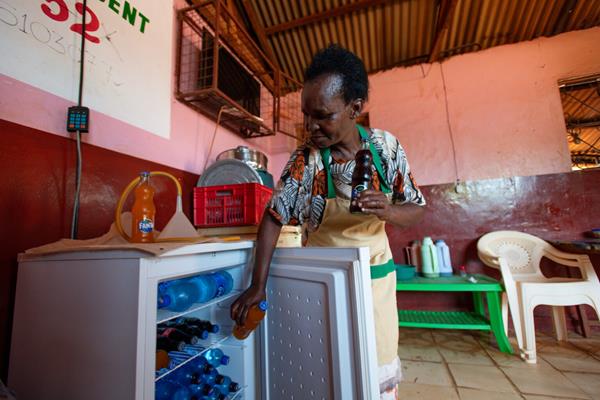
Evidence from the pilots suggests that cooling can deliver measurable economic benefits for workers and small businesses. Delivery riders using cooling jackets reported lower heat stress, which enabled them to complete more deliveries and increase their earnings by, while users across the programme reported lower levels of heat fatigue and illness. Cooling canvas increased net income margins by 10–38 percentage points, with some of the strongest gains recorded among women-led businesses. Cooling film increased net incomes by 13–25% for vendors while reducing spoilage and extending the shelf life of perishable produce.
The findings come as extreme heat increasingly threatens economic resilience across developing economies. 2.4 billion workers worldwide are exposed to excessive heat at work and that productivity losses linked to heat stress are projected to reach US$2.4 trillion annually by 2030, equivalent to around 80 million full-time jobs. Some of the greatest impacts are felt by people whose livelihoods depend on working outdoors or handling perishable goods, including farmers, traders, delivery riders and market vendors.
“Cooling is rightly discussed as a comfort, health and climate resilience issue. But for millions of people who earn by the hour, by the delivery or by the sale, it is also a livelihoods issue. Extreme heat is already affecting their ability to work, earn and protect the goods they sell. The evidence from SPACES shows that affordable cooling solutions can help people stay productive, reduce heat stress and increase their incomes. As temperatures continue to rise, expanding access to effective cooling technologies will be critical to building economic resilience across Africa and Asia,” said Tanya Kothari, Head of Portfolio, Micro-entrepreneurs at Shell Foundation.
The report argues that cooling should increasingly be viewed as an economic resilience intervention. Cooling markets across developing economies could be worth around US$600 billion annually by 2050, yet more than a billion people globally still lack access to adequate cooling. The research suggests that scaling affordable cooling technologies could help vulnerable communities adapt to rising temperatures while supporting economic growth and resilience.
SPACES is a partnership between Shell Foundation, Trane Technologies, Intellecap and Ndarama Works that seeks to identify, test and commercialise affordable cooling solutions for workers and micro-entrepreneurs at the base of the economic pyramid.
Attachment